


Featured Stories
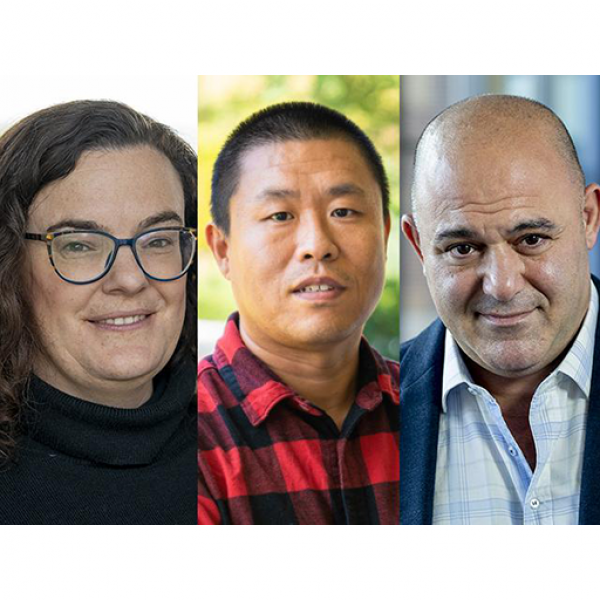
Huck announces 2025-26 Leadership Fellows
Three faculty members, representing three different Penn State colleges, have been named Huck Leadership Fellows for the 2025-26 academic year.
Full Article
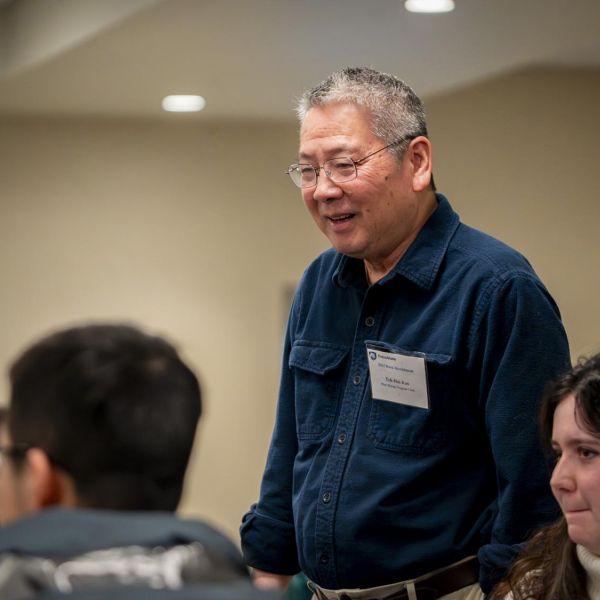
Kao steps down as plant biology graduate program chair
Teh-hui Kao, distinguished professor of biochemistry and molecular biology, has stepped down as chair of the Intercollege Graduate Degree Program (IGDP) in Plant Biology after 26 years in the role.
Full Article

Huck seed grant program introduces new research themes for the life sciences
The Huck Institutes of the Life Sciences has launched its 2025-2026 new seed grant program. Huck seed grants foster innovative, interdisciplinary, and collaborative life sciences research.
Full Article

News
Jul 02, 2025
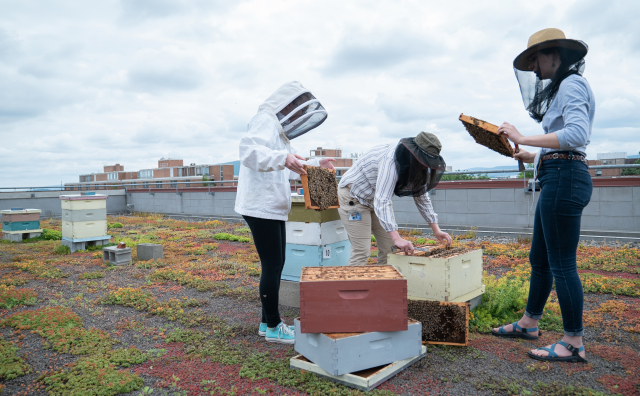
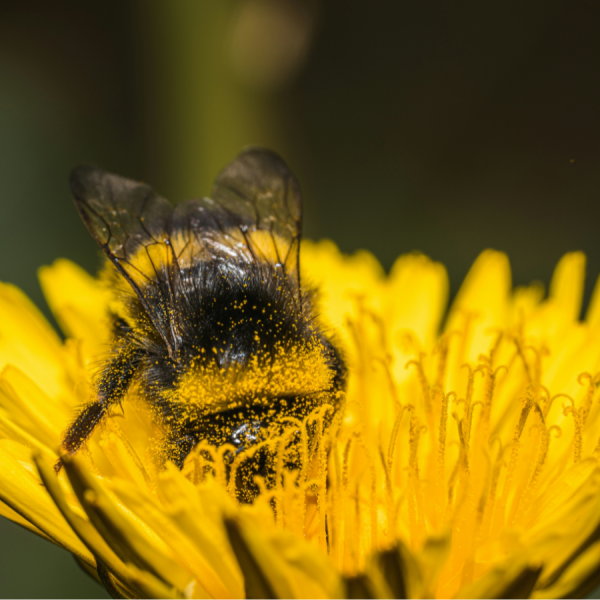
What a bumble bee chooses to eat may not match ideal diet
A new study led by researchers at Penn State suggests that what bumble bees choose to eat may not line up with their ideal nutritional needs.
Jul 02, 2025
Eight graduate students receive U.S. National Science Foundation fellowships
Eight Penn State graduate students received U.S. National Science Foundation (NSF) Graduate Research Fellowships for the 2025-26 academic year.
Jul 01, 2025
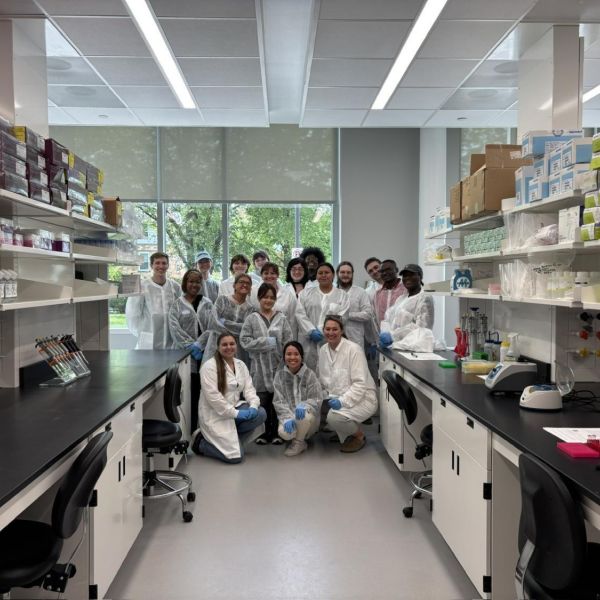
ARISE program provides hands-on training to aspiring anthropologists
A talented group of aspiring anthropologists recently traveled to Penn State to take part in the Department of Anthropology’s annual ARISE program.
News
Jul 02, 2025
What a bumble bee chooses to eat may not match ideal diet
A new study led by researchers at Penn State suggests that what bumble bees choose to eat may not line up with their ideal nutritional needs.
Jul 02, 2025
Eight graduate students receive U.S. National Science Foundation fellowships
Eight Penn State graduate students received U.S. National Science Foundation (NSF) Graduate Research Fellowships for the 2025-26 academic year.
Jul 01, 2025
ARISE program provides hands-on training to aspiring anthropologists
A talented group of aspiring anthropologists recently traveled to Penn State to take part in the Department of Anthropology’s annual ARISE program.
Jun 30, 2025
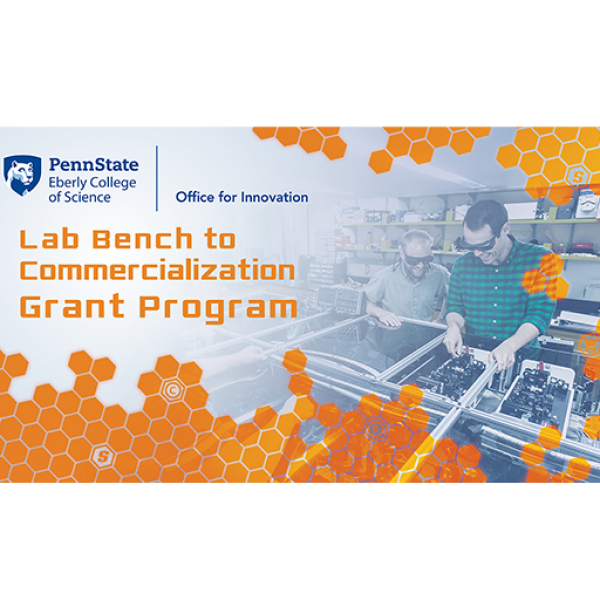
Lab Bench to Commercialization program broadens its scope
Eberly College of Science seed grant program to shift emphasis to earlier development of research, focusing on societal impact and career readiness.
Events
Tuesday Jul
08
Botany 101: Conquer your plant blindness, Session 2
Plant Biology , Plant Institute
Monday Jul
21
Big10 Neuroscience Annual Meeting
Neuroscience Institute , Neuroscience
Tuesday Jul
29
Botany 101: Conquer your plant blindness, Session 3
Plant Biology , Plant Institute
Thursday Aug
21
Advancing Structural and Functional Characterization Of Biomolecules
X-Ray Crystallography Facility